
By Dominic McClelland | Updated 09/15/2026
House Junkies gets compared to every other "we buy houses" text, postcard, and bandit sign in Visalia constantly, so let's talk about why that comparison usually falls apart the moment someone asks a few basic questions. Most of what is flooding your mailbox right now is not a buyer at all. It is someone hoping to lock up your house long enough to sell the contract to someone else.
The Tell Most Sellers Miss: They Will Not Answer a Direct Question About Closing
Ask plainly: "Are you the one actually closing on this house, or are you planning to sell this contract to someone else?" A legitimate buyer answers that in one sentence. A wholesaler gets vague, changes the subject, or gives you an answer that does not actually answer the question. That single question, asked out loud, tells you more than anything printed on their card.
Other Red Flags Worth Watching For
- No contract ready. Ask whoever is sitting across from you to show you a purchase agreement, right now, with real terms. A real buyer has one ready, because writing offers is the entire job. Most wholesalers do not, they are still trying to figure out if they can find someone else to buy the contract before they put anything in writing.
- No proof of funds. A real cash buyer can show you past deals, bank statements, or a proof of funds letter without hesitation. A wholesaler usually cannot, because there is no cash, there is a plan to find someone else's cash.
- No physical office you can verify. Look up the address. Is it a real office, a post office PO box, or maybe nothing at all?
- High pressure, today-only urgency. Real offers do not expire in six hours. That pressure exists to stop you from checking if they are legitimate.
- The price drops after "inspection." A lot of these 'investors' never intended to pay the number they opened with. The plan was always to get you comfortable, then come back lower once you have mentally moved on or can't back out.
- Nothing to verify. No completed deals you can look up, no social media, no community presence beyond a Google business profile and a phone number.
How Assignment Clauses Actually Work, and How They Get Misused
Almost every purchase contract, ours included, has a clause that allows the named buyer to assign their rights under that contract to another party before closing. On its own, that clause is completely normal and completely legal. Assigning a contract to an affiliated entity, a JV partner, or a different piece of your own company for financing or structuring reasons is standard practice, and a legitimate operation still fully intends to close no matter which entity ends up on the deed.
Here is where it goes wrong. A lot of wholesalers use that same clause with no capital and no real intention of closing themselves. They get a property under contract, then spend the next two or three weeks trying to find some other investor willing to pay them a fee to take that contract off their hands. If they find someone, the deal moves forward, usually with you never having met or vetted whoever the actual end buyer turns out to be. If they do not find someone, the deal collapses, sometimes deep into escrow, and you are back where you started, except weeks behind on whatever timeline you were working with.
Under current California law, wholesaling itself is legal. A person can market their contractual interest in a property without holding a real estate license, as long as they are not acting as an unlicensed broker. That said, the state legislature has been actively looking at this. AB 1850, introduced in early 2026 with backing from the California Association of Realtors, would require wholesalers to hold a real estate license and disclose in writing, upfront, that they do not intend to take title to the property. As of this writing that bill has not passed, but it tells you the state has noticed the same pattern sellers keep running into.
The honest version of this business discloses upfront who is actually buying and closing. The version that scams people hides that question for as long as possible.
What Actually Makes a Buyer Legitimate
This is the part where I will just tell you plainly what to look for, because it is the same list I would want if I were selling.
A real track record. House Junkies has closed 350+ completed projects. That is not a number you get from assigning contracts to strangers, it is a number you get from actually being the buyer, deal after deal.
A licensed construction company, not a promise. House Junkies Construction is a licensed California general contractor, LIC #1077593. When we tell you what a rehab costs, that number comes from a crew that is actually going to do the work, not a guess built to justify a lowball number.
A licensed real estate brokerage. Legacy Real Estate, DRE #02165291, gives us the ability to show you what your house would list for and what it is worth off-market, from the same data, in the same conversation.
Verifiable through neutral third parties. We close through reputable local title and escrow companies, First American, Stewart Title, and Pathway Escrow among them. Call Lupe, Julie, or Amanda directly and ask how many deals we have actually closed with them.
Real offices, you can actually visit! Monday - Friday 8:00AM to 5:00PM
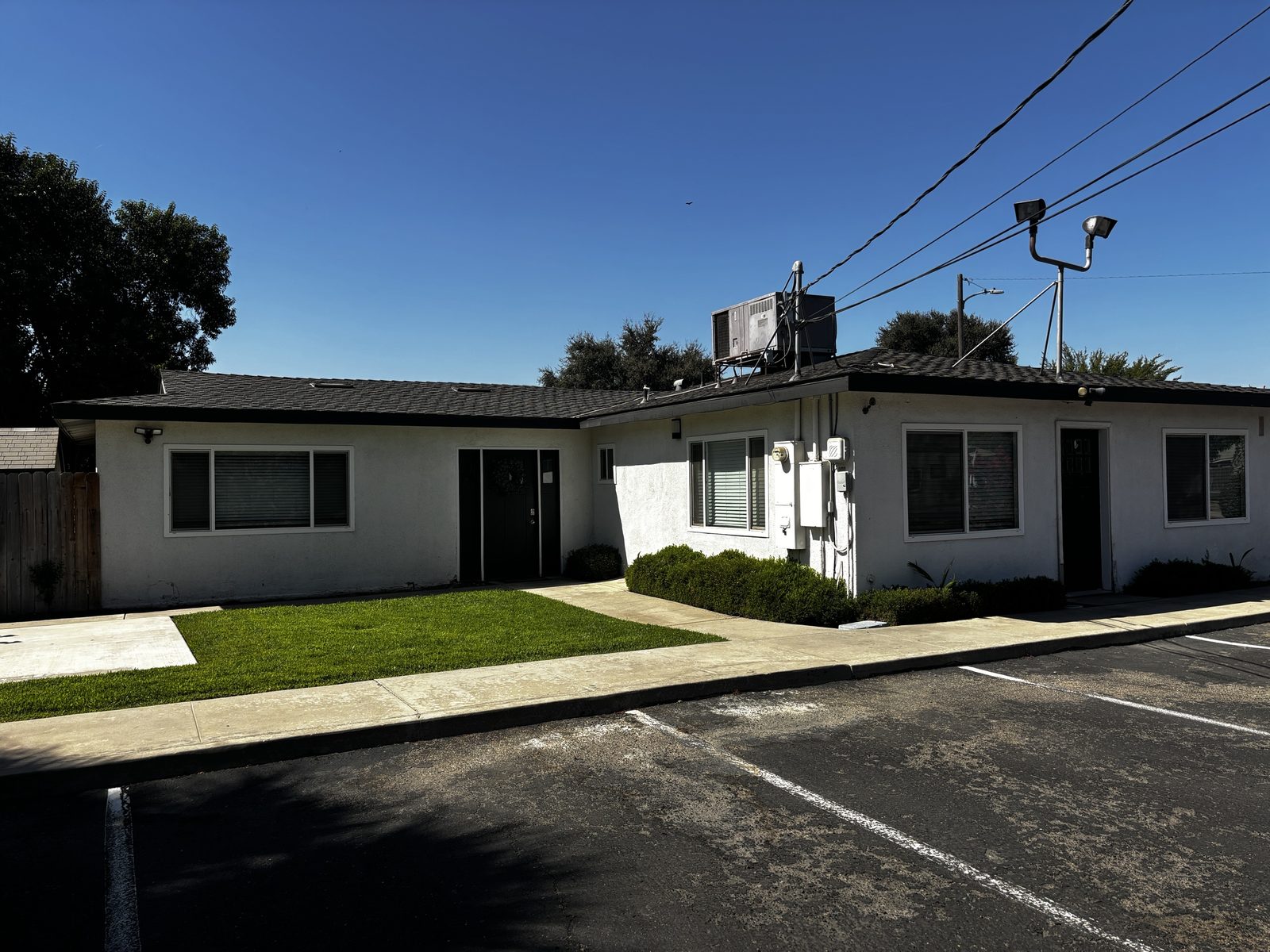
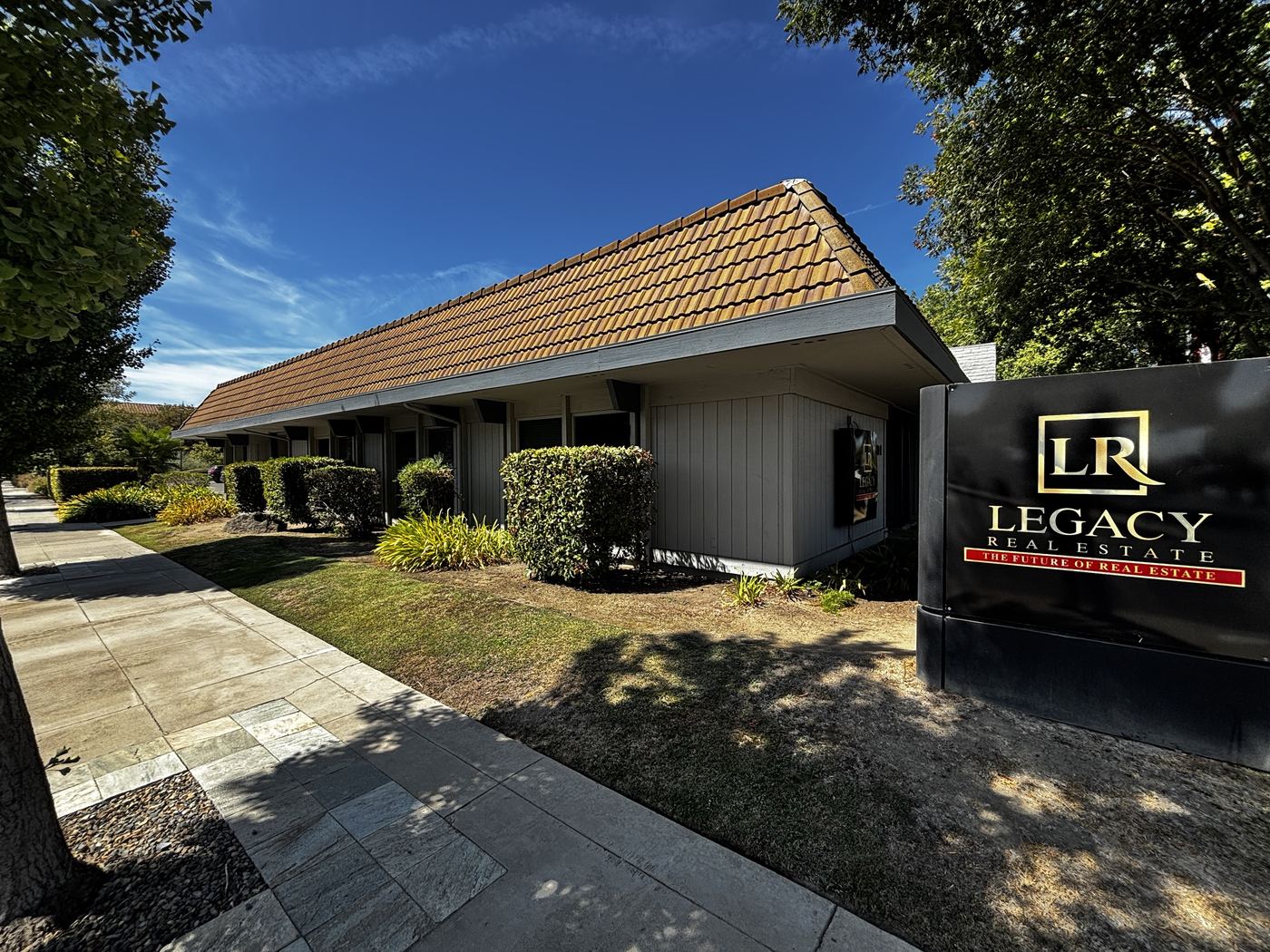
Testimonials you can actually check. Real client reviews are posted on our Instagram and Facebook pages, not written by us, not hidden behind a contact form. We also work with real people in the community, from Deal Finders to licensed agents, who can vouch for how we actually operate. See how those partnerships work, or how they actually pay out.
We are visible in the community, not just online. Billboards, radio spots, and local news coverage cost real money and carry a real name attached to them. That is a different kind of commitment than a call center running the same script in twelve other cities.
Questions to Ask Before You Sign Anything
- Can I see your contract right now?
- Can you do a non-refundable deposit?
- Are you the one buying this house?
- What happens if you cannot close, what does that cost me, what happens next?
- Can I see other properties you have actually purchased and renovated?
If any of those questions get dodged, that is your answer. Not a real buyer!
Frequently Asked Questions
Is wholesaling real estate illegal in California? No. Wholesaling itself is legal under current California law, as long as the wholesaler is marketing their contractual interest and not acting as an unlicensed real estate broker. The concern for sellers is not that assignment happens, it is when it happens without disclosure.
What is an assignment of contract in real estate? It is a clause that lets the buyer named in a purchase agreement transfer their rights under that contract to another party before closing. Legitimate companies use it for financing and entity structuring. Wholesalers sometimes use it to shop a contract to strangers with no capital of their own behind it.
How can I tell if someone is a real buyer or a wholesaler? Ask directly whether they are the one closing, ask for proof of funds, and ask to see a real purchase contract on the spot. A real buyer answers all three without hesitation.
Does House Junkies ever assign contracts? We do not shop your contract to unknown third parties looking for someone to buy it from us. We are the buyer, we close with our own capital, and our construction and brokerage arms are part of the same company, not separate parties we are hoping to bring in later.
What happens if a wholesaler cannot find a buyer for my contract? The deal typically falls through, sometimes weeks into what you thought was an active escrow. You are left having lost time you cannot get back, occasionally on a deadline that mattered.
Talk to Someone Whose Name Is Actually on the Deal
If you are getting texts and postcards and cannot tell who is actually real, that conversation is free and takes me only about ten minutes.
Call or text (559) 368-8956.
This post covers general information about California real estate wholesaling law as of September 2026 and is not legal advice. Legislation in this area is actively changing, confirm current requirements with a licensed attorney.